







Search Results for: Peru Washed Geisha
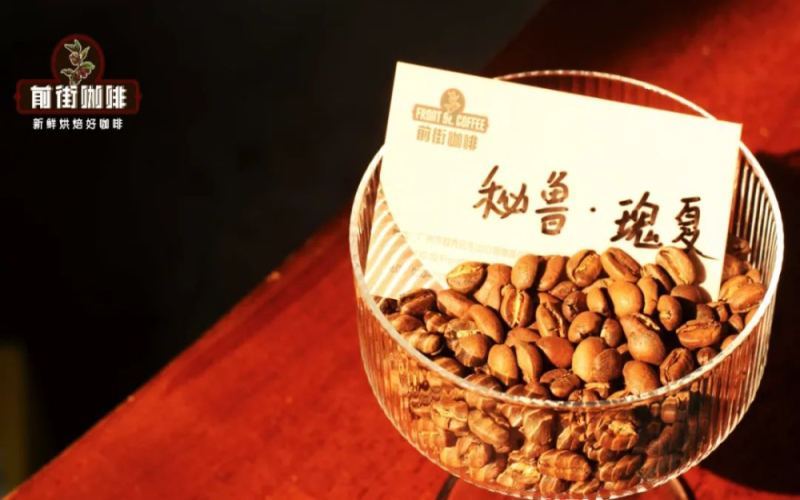
Peru: South America's Low-Key Origin — A Complete Guide to Specialty Coffee from Cajamarca, Washed Geisha Flavor Profile, and Industry History
In the coffee map of South America, Peru has long been rather low-key, far less well-known than its neighbors such as Brazil and Colombia. Yet this country, bisected by the Andes Mountains, with its high altitudes, volcanic soil, and abundant rainfall, produces specialty coffee of exceptionally high cleanliness and rich flavor complexity. In recent years, it has also risen to the international stage with the world's largest organic coffee output. In this article, Front Street Coffee will guide you through a systematic understanding of Peru's three major coffee-producing regions, its development from the colonial period to the cooperative movement, as well as its grading system centered on altitude and bean density, and its washed processing tradition. At the end of the article, we will also use a washed Geisha from the Cajamarca region to specifically experience the floral aroma, juicy mouthfeel, and black tea aftertaste of Peruvian specialty coffee, providing a reference for coffee lovers who want to try a niche origin. [more…]
Exploring Peruvian Coffee: The Flavor Code from the High Andes to Specialty Washed Geisha
Although Peruvian coffee is not as widely known as Colombian or Brazilian coffee, it has rapidly risen in the international market thanks to its mild, balanced flavor and extremely high cleanliness. This "land of abundance" in western South America is home to the high-altitude growing regions of the Andes Mountains, as well as the world's largest organic coffee output. From a colonial-era ornamental garden plant to the smallholder cooperative model that emerged after land reform, Peruvian coffee has forged a unique path of development. This article will guide you through the growing regions, historical trajectory, grading system, and processing methods of Peruvian coffee, and share a cupping experience of a Cajamarca washed Geisha that Front Street Coffee recently acquired. [more…]
A Complete Guide to Peru's Coffee Regions: Cajamarca Washed Geisha Flavor Profile and Front Street Coffee Pour-Over Bean Recommendation
On the coffee map of South America, Peru may not be the most dazzling name, but it is gaining more and more attention with its outstanding cleanliness and balanced flavor. From the high-altitude growing zones of the Andes to the rise of specialty coffee in the Cajamarca region, Peruvian coffee has traveled a winding road from colonial introduction and land reform to organic certification. This article will give you a comprehensive understanding of Peru's coffee-producing regions, its development history, and its grading and processing methods, and will focus on sharing a Cajamarca washed Geisha that Front Street Coffee has brought in—from cupping to sipping, experiencing the unique charm of white floral notes interwoven with prune and citrus. [more…]
Why Is Peruvian Coffee Underrated? Exploring the Floral and Fruity Sweetness of Washed Geisha in the Cajamarca Region
When South American coffee is mentioned, most people first think of Colombia or Brazil, while Peru is often overlooked. In fact, Peruvian coffee is known for its rich flavor layers and mild, balanced body, and with its standout cleanliness in recent years, it is quickly making a name for itself in the international specialty market. This article will start with Peru's geographical conditions, coffee development history, grading system, and processing methods to introduce you to this "rising star." At the same time, Front Street Coffee has also acquired a washed Geisha from the northern Cajamarca region, and through actual cupping and brewing experience, we can appreciate the captivating flavors of white floral notes, prunes, citrus, and black tea interwoven together. If you want to know whether Peruvian coffee is actually good, you might as well start with this article. [more…]
Exploring the Cajamarca Region of Peru: Flavor Profile and Industry Background of Washed Geisha Coffee
Although Peruvian coffee is not as renowned as that of Colombia or Brazil, it has risen rapidly in the international specialty market thanks to its complex flavors, mild and balanced taste, and extremely high cleanliness. As the world's number one producer of organic coffee, Peru's coffee industry has gone through a tortuous journey from colonial introduction and the large-estate model to the revival of cooperatives. In this article, Front Street will take you deep into Peru's coffee-growing regions, grading system, and processing methods, with a special focus on the northern specialty region of Cajamarca, analyzing its white floral, prune, citrus, and black tea-like flavor profile through a cupping experience of a washed Geisha. [more…]
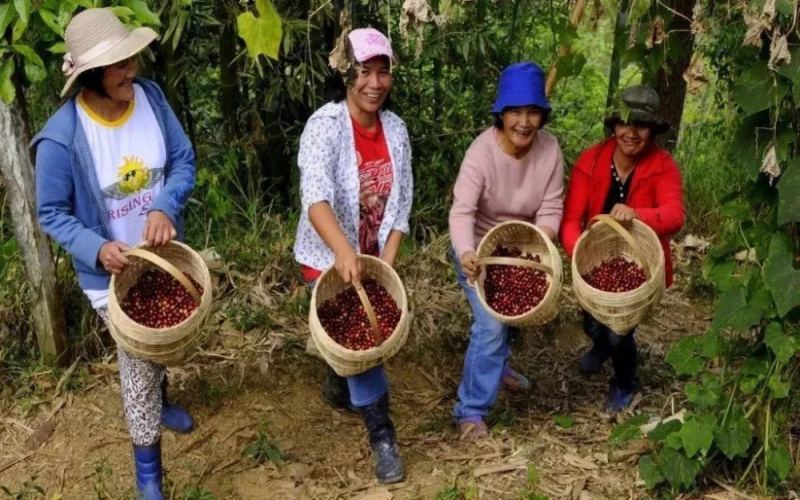
The Hidden Coffee Gem of South America: Peru — From Andean Terroir to the Flavor Code of Cajamarca Washed Geisha
Among the many coffee-producing countries in South America, Peru is often overshadowed by the limelight of Colombia and Brazil, yet thanks to the high altitudes of the Andes, volcanic soil, and varied climate, it produces clean, mild specialty coffee with balanced acidity and sweetness. This article starts from Peru's geography and climate, sorts out the flavor differences among its three major producing regions—north, center, and south—analyzes the grading system centered on altitude and hardness as well as the washed processing method, and then steps into the northern specialty coffee stronghold of Cajamarca, where, through a washed Geisha sourced by Front Street Coffee, one can experience the captivating layers of white floral notes, prunes, and black tea. [more…]
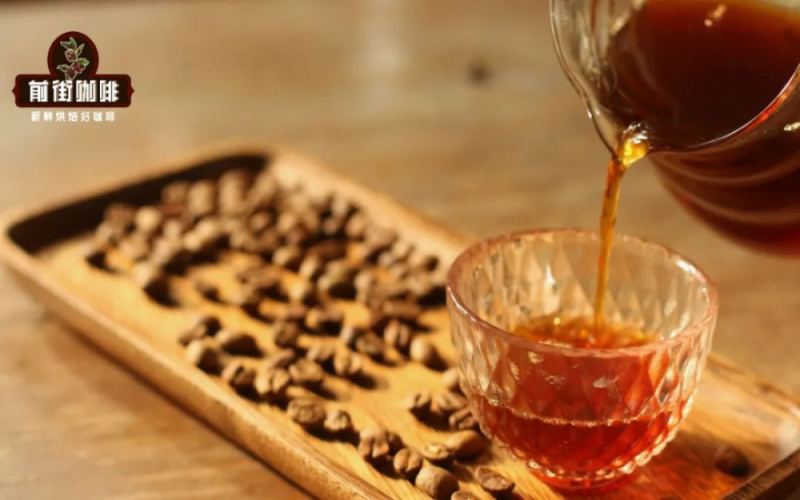
Exploring South America's Hidden Origins: Peru's Coffee Growing History, Three Major Regions' Washed Beans, and an Analysis of Front Street Coffee's Geisha Flavor
On the eastern side of the Andes along the western coast of South America, Peruvian coffee has long existed in the specialty coffee world with a low-key yet steady presence. It was once an important component in blend formulations, providing body and balance, and due to historical turmoil, it once faded from the international spotlight. From the political upheavals of the 19th century to the revival in the 1990s, the Peruvian coffee industry has forged a unique path. Today, with its organic growing environment, traditional washed processing, and high-altitude microclimates, Peruvian coffee has regained attention. This article will outline the historical development of Peruvian coffee, the characteristics of the three major producing regions in the north, center, and south, the grading system and processing methods, and present a detailed flavor review of the washed Geisha from the Cajamarca region selected by Front Street Coffee. [more…]
A Complete Guide to Peru's Coffee Regions: Variety Distribution, Grading and Processing, and Flavor Recommendations for Cajamarca Geisha
Peruvian coffee has long played a low-key role on the international stage, yet it boasts the unique growing conditions of the Andes Mountains and a rich heritage of old varieties. This article systematically reviews the historical development of Peruvian coffee, the distribution of its three major producing regions in the north, center, and south, the altitude and variety structure, washed processing and grading systems, and provides an in-depth introduction to the terroir advantages of the Cajamarca region. Finally, the article presents the Peru · Cajamarca Washed Geisha sourced by Front Street Coffee, offering a complete picture from the roasting curve to the cupping flavors, showcasing the white floral notes, prunes, citrus, and black tea finish of this bean, providing coffee enthusiasts with a practical reference for purchasing and tasting. [more…]
The Path to Specialty Coffee in a Low-Profile South American Origin: An Analysis of Peruvian Coffee Flavor Characteristics and Washed Processing Taste Profile
In the world coffee landscape, Peru has long remained low-key, yet thanks to its high-altitude growing conditions, rich microclimates, and predominantly washed processing methods, it has gradually become a coffee-producing region that attracts considerable attention in the specialty coffee world. This article systematically reviews Peru's coffee-producing regions, variety composition, and historical development, analyzes the reasons behind its reputation for cleanliness, gentle fruit acidity, and balanced mouthfeel, and, using a washed Geisha from the Cajamarca region as an example, presents the complete flavor expression from cupping to a three-pour hand brew, helping coffee lovers understand the core question of whether Peruvian coffee is acidic and whether it tastes good. [more…]
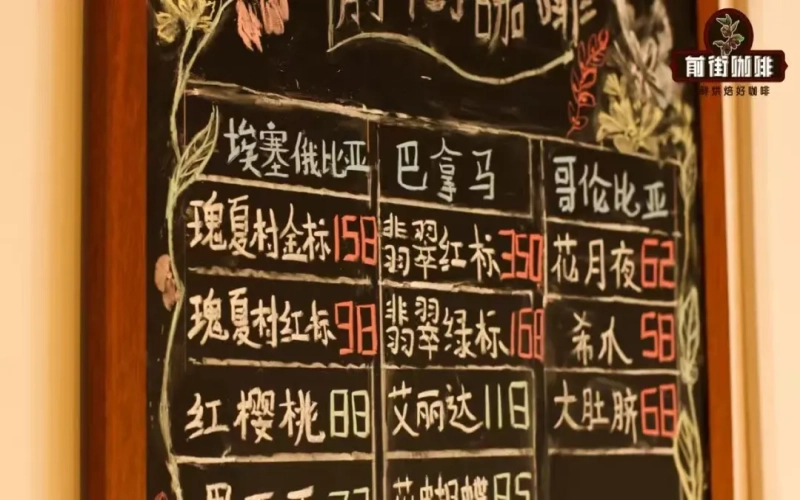
An Analysis of Geisha Coffee Flavor Profiles: Comparing the Differences Between Panama, Ethiopia, Peru, and Costa Rica Geisha
Why does coffee that is also called Geisha taste so different? From Front Street Coffee's perspective, this article systematically sorts out the flavor tiers and producing-region differences of Geisha coffee. The article points out that variety, terroir, processing method, and roasting together determine the taste of coffee, among which variety accounts for 70% of the base flavor and terroir accounts for 30%. Front Street Coffee recommends the washed Geisha from the Boquete producing region of Panama as the entry-level choice for the classic "Geisha flavor," and compares in detail Hacienda La Esmeralda's Red Label and Green Label, 90+ Eleta Anaerobic Geisha, Costa Rica Strawberry Candy, Peru Cajamarca Washed Geisha, as well as Ethiopia Gesha Village's Gori Geisha and Geisha 1931. Whether you want to get to know traditional Geisha or explore the style variations of different producing regions and processing methods, you can find clear references in it. [more…]
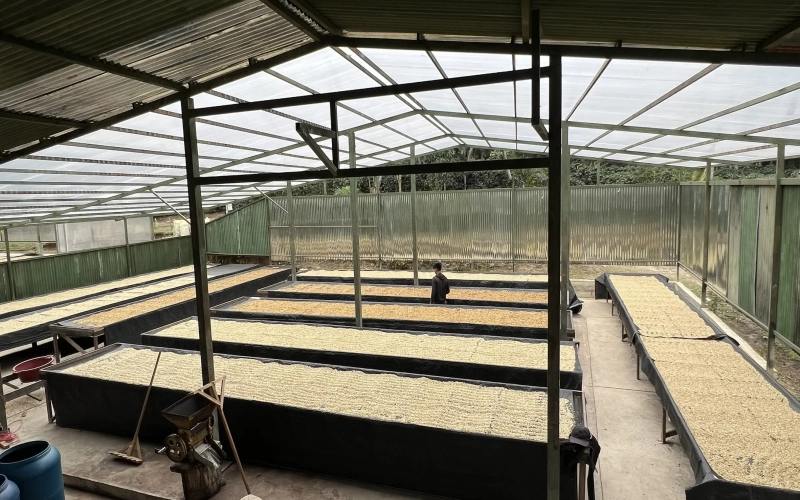
Peruvian Coffee Flavor and Pour-Over Full Analysis: From the Cajamarca Region to the Extraction Details of Washed Geisha
Among South American coffee-producing countries, Peru has carved out a differentiated path through its unique altitude-based grading system and washed processing techniques. The high-density beans brought by high altitudes give it a mild, balanced, clean and delicate flavor profile. This article begins with Peru's coffee variety structure, grading logic, and washed process, then gradually focuses on the northern specialty-producing region of Cajamarca, and uses a washed Geisha as an example to fully present Front Street Coffee's cupping impressions and pour-over recipe, including specific parameters such as the V60 dripper, 91℃ water temperature, and a 1:15 coffee-to-water ratio, helping coffee enthusiasts recreate at home the Peruvian flavor woven with white floral notes and prune-citrus. [more…]

Front Street Peru Coffee Flavor Analysis: Geisha Bean Pour-Over Parameters and Brewing Step Guide
Peru, as the world's eleventh-largest coffee-producing country, is home to ten distinctive coffee regions, and is gradually emerging on the international market with a clean, mild, sweet, and full-bodied flavor profile. Front Street Coffee believes that today's Peruvian coffee is showing more and more juicy character and unique taste. This article will guide you through the history of Peruvian coffee, the terroir differences among the three major regions of the north, center, and south, the grading system and processing methods, and share Front Street Coffee's roasting recommendations and French press brewing steps for Peruvian coffee—ideal for coffee lovers who want to explore the charm of this low-key producing country. [more…]
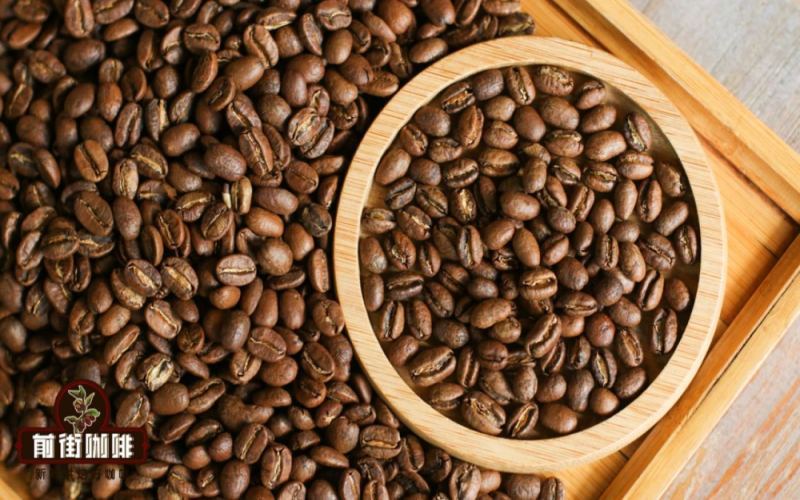
The Complete Guide to the Geisha Variety: Why Is Panamanian Geisha So Expensive? How to Choose Light to Medium Roasts
There are many varieties of Geisha coffee, from Panama to Ethiopia, Colombia, and Peru, with different origins, estates, and grades combining to create coffee beans of distinct styles, with prices ranging from a few dozen to several hundred. This article uses the 8 Geisha coffees available at Front Street Coffee stores as examples to outline the origin, estate, grade, and flavor characteristics of each, and to share a unified light-medium roast brewing parameter and tasting experience. Whether you want to experience the classic Geisha flavor or explore new flavors, you can find an option that suits you. [more…]
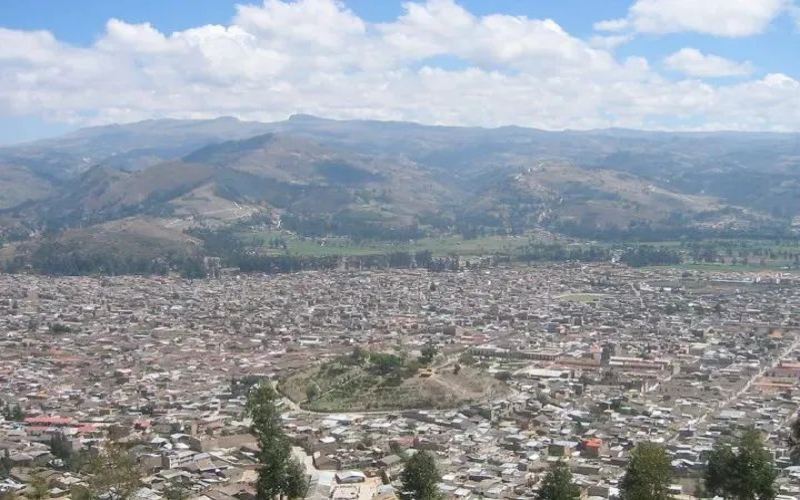
Flavor Analysis of Peruvian Coffee, South America's Low-Key Producer: From Andean Terroir to Green Bean Grading System
On the coffee map of South America, the brilliance of Brazil and Colombia often causes another origin with equally outstanding conditions to be overlooked—Peru. With the high-altitude terrain of the Andes, volcanic soils, and diverse climates, Peru has not only joined the ranks of the world's important coffee suppliers but has also become one of the largest producers of organic coffee. This article will begin with Peru's coffee-growing environment, sorting out the causes behind its flavor characteristics, surveying the representative areas of its three major producing regions in the north, center, and south, and introducing Hacienda Pedregal's impressive performance in COE competitions. At the same time, the article will also explain in detail how Peruvian coffee beans are graded, helping readers understand the relationship between altitude, bean hardness, and quality. To gain a deeper understanding of coffee origin information, you may as well follow Front Street's perspective and explore. [more…]
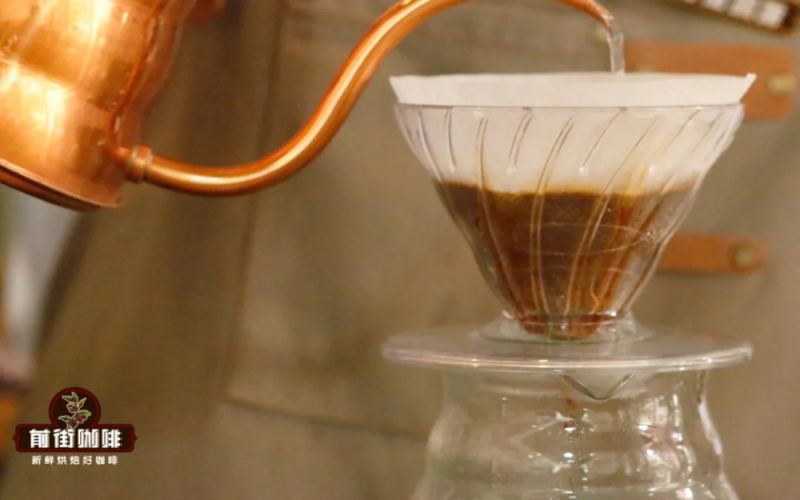
A Complete Guide to the Flavors of American Coffee Regions: From Brazil to Blue Mountain, the Beauty of Balance and an Introduction to Tasting
For beginners who have just stepped into the world of coffee, it is often only possible to taste a single "coffee flavor," which is actually perfectly normal. As tasting experience gradually accumulates, one can slowly identify rich nuances such as floral notes, fruity notes, and caramel. In the introductory stage of coffee tasting, starting with well-balanced American or Asian beans is a reliable choice for opening the door to taste. American coffee is known for its balanced mouthfeel, moderate acidity, and mellow aroma, covering many origins such as Brazil, Colombia, Panama, Costa Rica, Guatemala, Honduras, Peru, Ecuador, Bolivia, and Jamaica Blue Mountain. This article will systematically sort out the flavor characteristics, representative bean varieties, and processing methods of these American producing regions, and intersperse classic single-origin recommendations from the Front Street Coffee brand, helping coffee enthusiasts build an overall cognitive framework for American coffee. [more…]
Exploring Ecuador's Coffee Regions: A Full Analysis of Hacienda La Bonita Geisha Flavors and Pour-Over Parameters
Ecuador lies in South America between Colombia and Peru. Although it has a long history of coffee cultivation, it is dominated by smallholder farmers, and each producing region has its own characteristics. From the Intag Valley, known for Arabica, to Pichincha Province, which focuses on Robusta, to the Galápagos Islands, where chemical inputs are prohibited, and finally to the high-altitude Loja region—this is where the Finca La Abundancia Geisha introduced by Front Street Coffee originates. This anaerobic washed Geisha not only won fourth place in the 2022 Ecuador Cup of Excellence (89.10 points), but also impresses with cup flavors of chamomile, lemon, honeydew melon, and Longjing green tea. This article will guide you through the main producing regions of Ecuador and include the pour-over brewing parameters recommended by Front Street Coffee. [more…]
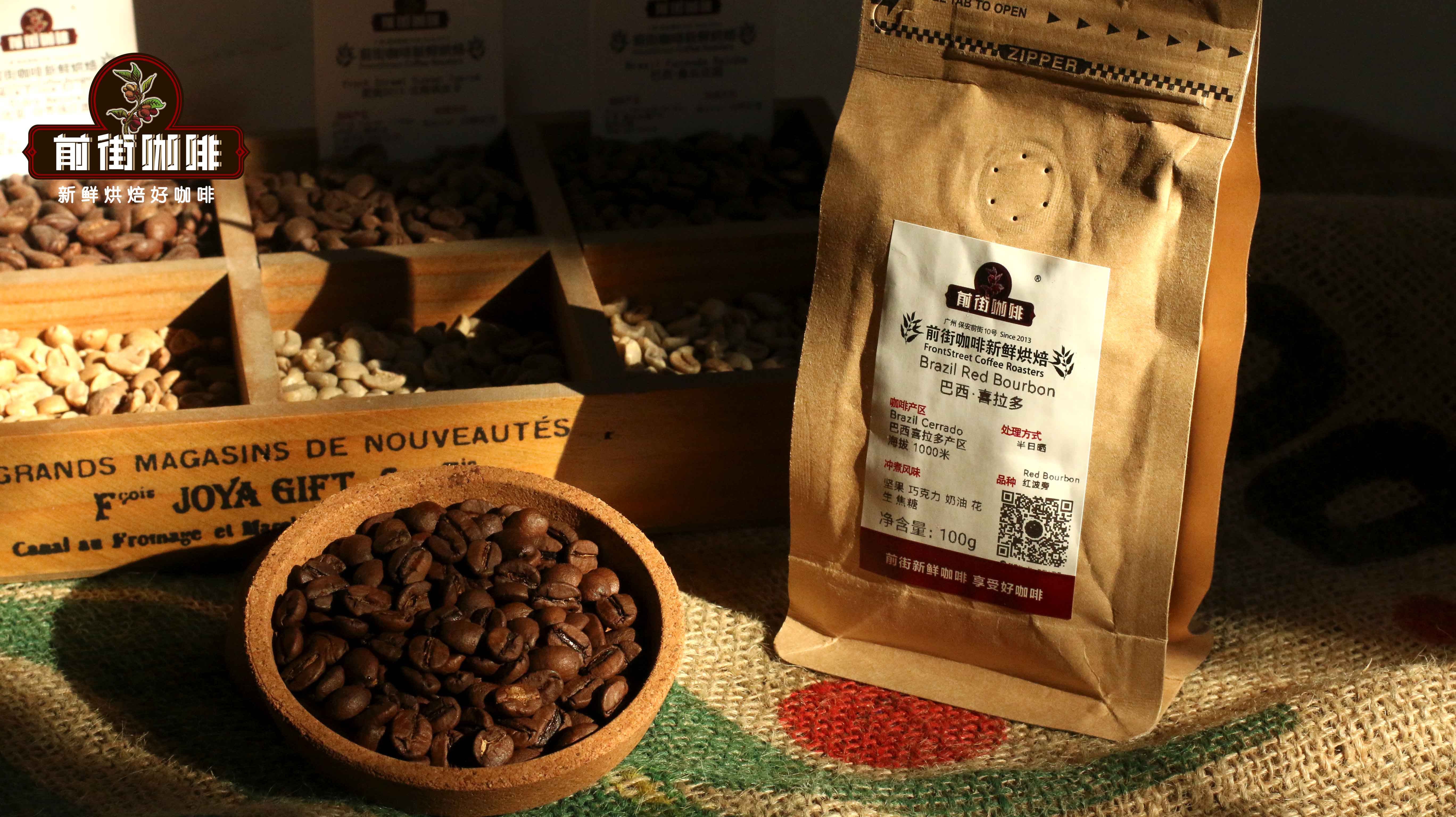
A Complete Flavor Guide to the Americas Coffee Regions: From Brazil to Blue Mountain, the Key to Beginner Tasting
When you first get into coffee, many people can only taste "coffee flavor," and all they smell is "coffee aroma"—this is actually perfectly normal. As your tasting experience accumulates, you'll gradually perceive rich tonalities like floral notes, fruit, and caramel. For beginners, starting with well-balanced American or Asian beans is a key to opening the door to coffee appreciation. This article will systematically outline the coffee flavor characteristics of major producing regions in Central and South America, covering Brazil, Colombia, Panama, Costa Rica, Honduras, Guatemala, Peru, Ecuador, Jamaica Blue Mountain, and Bolivia, along with specific product recommendations from Front Street Coffee, to help you understand regional characteristics while finding the cup that suits you. [more…]
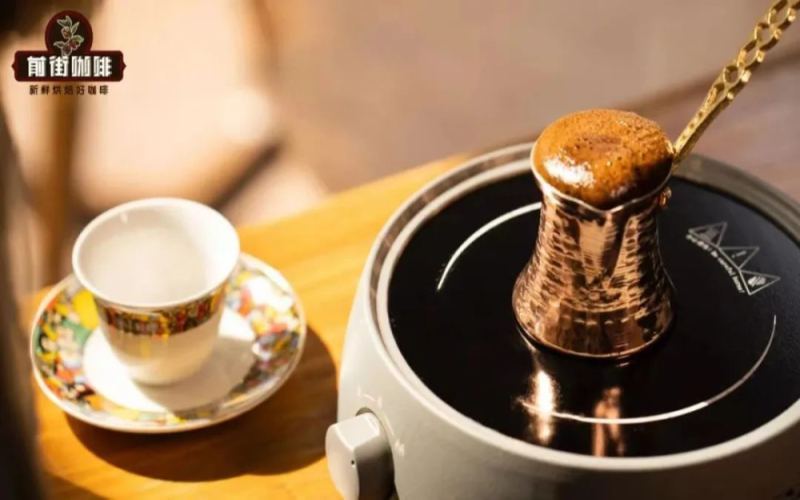
Can coffee grounds be boiled directly in a pot? Front Street's hands-on test of pot-brewed coffee: steps, parameters, and flavor performance
Can coffee grounds be thrown straight into a pot like instant noodles? Front Street Coffee put this question to the test in a round of hands-on experiments. This article documents the full steps and parameters for pot-brewed coffee, starting with a medium-roast Brazil Red Bourbon bean and moving on to a light-roast Peru Washed Geisha, for three rounds of testing in total. The article compares how different coffee-to-water ratios, grind sizes, and boiling times affect flavor, and also presents changes in TDS values, taste descriptions, and methods of straining out the grounds. If you want to know whether coffee grounds can really be boiled and drunk, this hands-on record from Front Street Coffee will give you a straightforward answer. [more…]
A Complete Guide to Central and South American Coffee Regions: From Brazil to Panama, a Guide to Signature Beans, Flavors, and Varieties
Coffee novices often think coffee is only about bitterness and aroma, but in reality the flavor world of single-origin coffee is far richer than imagined. This article systematically reviews the producing regions, variety characteristics, and flavor profiles of the major coffee-producing countries in Latin America, covering Brazil, Colombia, Honduras, Panama, Costa Rica, Guatemala, Peru, Ecuador, Jamaica Blue Mountain, and Bolivia. Starting with the balanced, full-bodied American beans, you will learn about the differences brought by washed and natural processing in each country, along with specific product recommendations from Front Street Coffee to help enthusiasts build a clear framework for understanding producing regions. [more…]
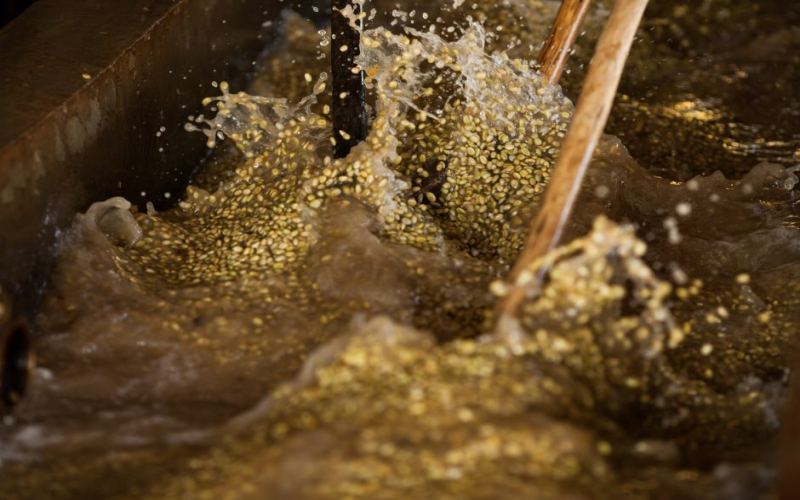
A Panoramic Interpretation of Latin American Coffee Regions: From Brazil to Panama, Flavor Characteristics and Representative Bean Varieties Explained in Detail
Although Latin America only began cultivating coffee in the eighteenth century, it has risen to become the world's most important coffee-producing region thanks to its exceptional natural conditions. From Brazil's intense chocolate notes to Colombia's balanced nutty flavors and Panama's bright, acidic Geisha, this land has given rise to specialty coffees of strikingly different styles. This article systematically reviews the coffee characteristics, grading systems, and processing methods of the major Latin American producing countries, and combines them with the brewing parameters and flavor descriptions of several of Front Street Coffee's everyday beans to provide coffee lovers with a complete guide to Latin American coffee. [more…]